Many people consume endless self-improvement content—motivational videos, productivity podcasts, habit books—and feel inspired in the moment, only to find that nothing actually changes in their daily life. Psychology explains this common pattern: the brain often mistakes learning about change for making real progress. This creates a false sense of growth without the discomfort of taking action. :contentReference

Your brain naturally enjoys novelty and new information. When you learn about better habits, discipline, or personal growth, it releases dopamine—the same feel-good chemical linked to rewards and achievement. This makes self-improvement content feel satisfying, even if you have not done anything differently yet.

This is why watching a video about waking up early or reading a book on fitness can feel productive. In that moment, your brain rewards you as if you have already made progress. But the real challenge—waking up early consistently or sticking to a workout plan—still remains.
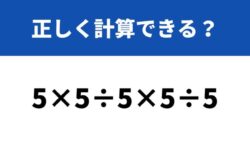 どうやって計算するか覚えてる?「5×5÷5×5÷5」→正しく計算できる?
Psychologists describe this as a “premature sense of completion.” It happens when thinking about goals, planning them, or talking about them activates some of the same mental reward systems as actually completing them. As a result, the urgency to take real action becomes weaker.
For example, someone may read multiple books about starting a business but never launch an idea. Another person may spend hours researching healthy meal plans but never actually prepare food. These situations are common because learning feels safe and satisfying, while action feels uncertain and uncomfortable.
Over time, self-improvement content can become a comfort zone. Instead of helping growth, it can become a way to avoid risk, failure, or discomfort. You stay in “research mode,” always preparing, but never moving forward. This feels productive on the surface, but often hides procrastination.
There are some clear signs that this may be happening. You may keep saving motivational videos but never applying them. You may own many self-help books that remain unread or only partially finished. You may also tell yourself that you need just a little more information before starting.
The truth is that most people already know more than enough to begin. The real gap is not between knowledge and ignorance—it is between knowing and doing. Real change comes from applying what you know, even when it feels awkward, imperfect, or uncomfortable.
 日本10万円給付金2026|対象者と支給開始時期を解説
Lasting growth usually happens through small, repeated actions rather than big moments of inspiration. A short walk matters more than reading about exercise. Writing one page matters more than watching videos about productivity. Action creates momentum in a way that information alone never can.
One useful strategy is to follow a “learn, act, learn” approach. Instead of consuming hours of advice, learn one useful idea and apply it immediately. This helps train your brain to connect information with action rather than passive comfort.
Simple habits can help break the cycle. Limit learning content to a short daily window. After reading or listening to something useful, choose one small action you can complete within 24 hours. Track what you actually do instead of what you plan to do.
Accountability can also make a big difference. Sharing actions—not just goals—with a friend, coach, or journal can create pressure to follow through. Weekly reflection can also help you notice whether you are truly moving forward or just collecting ideas.
Real self-improvement is rarely dramatic. It often looks like small, boring, consistent steps repeated over time. Growth is not built by consuming more advice. It is built by acting on what you already know.
If you feel stuck despite constantly trying to improve yourself, it does not mean you are lazy. It may simply mean your brain has gotten used to the reward of learning without action. The solution is not more information—it is starting, even imperfectly, today.
 2026年最低賃金が大幅引き上げへ|あなたの給与はいくら増える?