When Leadership Really Counts Leadership shows its true colors during hard times rather than easy wins. Real leaders understand that protecting their team & showing empathy matters just as much as hitting targets. The following twelve examples demonstrate how staying calm & treating people well can turn challenging situations into valuable lessons about what leadership really means.
During a major presentation an intern knocked over her coffee onto a client’s laptop. The client became angry and embarrassed her in front of the entire room. The leader did something unexpected by asking the client to leave the meeting. “We can replace the laptop but we cannot replace respect” he told everyone calmly. He then spoke with the intern who thought her career was finished. She gathered herself and finished the presentation to genuine applause from those watching. She now runs her own team several years later. That day showed her that real leadership means standing up for people’s dignity rather than just chasing profits.

Turning Tension Into Teamwork
Walking into a meeting with broken slides and rising anxiety could have ruined everything. The expectation was criticism. Instead a client showed genuine interest and asked thoughtful questions about the team’s ideas. The meeting changed from a presentation into a collaboration. By staying calm the leader made room for others to contribute. The result was not perfection but rather connection & a better outcome than anyone had planned.
Building Trust Through Transparency
When the numbers were wrong, the first instinct was to worry about getting blamed. But instead of trying to cover up the error it was brought out into the open right away. The manager did not get angry or point fingers. Instead they offered to work together to solve the problem. This situation could have hurt someone’s reputation but it actually made it stronger. Being honest about mistakes and showing kindness at the same time built more trust than any flawless report ever would have.
Calm Leadership That Unites Teams
Losing an important team member in the middle of a project can make everyone panic. Instead of making the stress worse the leader talked about the situation honestly and did not blame anyone. The team did not fall apart. Team members offered solutions and shared the work that needed to be done. They made the project better than anyone expected. The leader stayed calm & this did more than keep the project moving forward. It made the team stronger & more united.
Quiet Acts of Leadership That Make a Difference
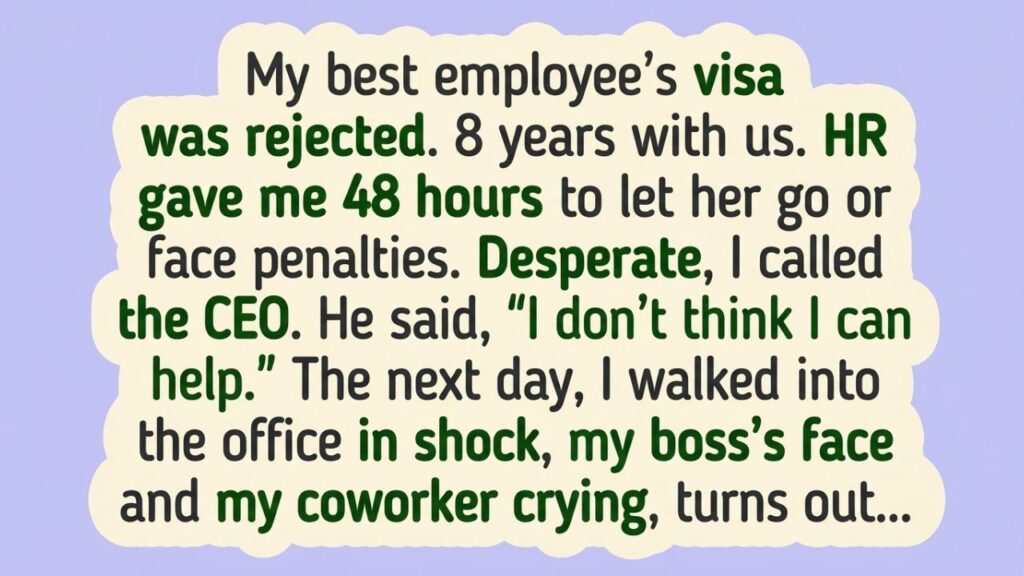
When a dedicated employee faced a sudden visa rejection the situation turned critical. The regulations were inflexible and the deadline was approaching fast. Rather than accepting defeat the leader worked discreetly to find a solution. The leader took action without offering guarantees and focused on extending the timeline while strengthening her application. Several months passed before the visa finally received approval. The employee remained grateful for the support she received during that difficult period. Genuine leadership does not always attract attention because it frequently takes the form of quiet interventions that transform individual circumstances.
Responding with Patience, Not Urgency
Getting back to find many urgent emails waiting can stress out anyone. The natural response is to answer fast without thinking much. A better method involves staying calm and working through messages in an organized way while taking time to respond carefully. This approach brought better understanding of the situation & positive feedback from coworkers along with improved work processes. Staying patient when things get hectic does not make work slower but actually makes everything work better.
Choosing Empathy Over Blame
Being blamed for a missed deadline can make anyone feel defensive. Rather than reacting with emotion the leader decided to listen first. By concentrating on finding solutions instead of assigning blame, they developed a better workflow. The conflict became an opportunity for improvement and mutual respect increased. Leadership is not about proving who is right but about making things work better for everyone.
 日本経済支援2026年:住民税非課税世帯向け生活費サポート
Fairly Managing Conflict for Better Solutions
Two senior team members had a serious disagreement about a project decision. The simple approach would have been to choose one person’s side. Instead both people were asked to explain their views completely and pay close attention to each other. The conflict decreased as they began to understand each other better. In the end their separate ideas combined into a better solution. Leadership is not about having control but about steering discussions toward positive results.
Transforming Failure Into Trust and Confidence
During a live demo the software crashed without warning. Everyone was watching and panic could have easily set in. Instead the team calmly acknowledged what happened and moved to a backup plan. The client did not lose confidence but instead appreciated how professionally the situation was handled. Managing failure with composure often creates more trust than never failing at all.
Supporting Growth Rather Than Micromanaging
When a boss showed up without warning during a task that was running behind schedule, the immediate reaction was stress and worry. However, instead of delivering the expected criticism or reprimand the boss offered support and assistance. The boss took time to understand what was causing the delay and then provided the necessary resources to address the problem. As a result, the quality of work improved rapidly and the project got back on track. This experience demonstrated that effective leadership is not about monitoring people to catch their errors or failures. True leadership focuses on identifying and removing the barriers that prevent team members from performing at their best and achieving success.
Leading Through Rejection and Disappointment
The team felt discouraged when a long-time client turned down their proposal. The leader chose not to show frustration and instead asked the client for feedback. The client provided useful insights that would help the team do better work in the future. This approach changed how the team felt about the situation. They left the meeting feeling motivated rather than defeated. When leaders respond to setbacks with kindness & a focus on learning they help their teams grow stronger. These difficult moments become opportunities for improvement instead of reasons to give up.
Bringing Stability to a Chaotic Situation
The board meeting grew tense as strong opinions led to raised voices among the participants. Rather than letting the situation spiral out of control the leader made a deliberate choice to slow things down by asking each person to calmly explain their perspective. This simple change in tone transformed the entire dynamic of the room. The conflict that seemed ready to explode gradually shifted toward productive discussion and eventually reached a compromise that satisfied everyone involved. Effective leadership is not about being the loudest voice in the room but about maintaining a steady presence that guides others toward resolution.